
How to Speed Up Postpartum Recovery (What Actually Works)
(Hey! Some links in this post may be affiliate links — meaning I may earn a small commission if you buy through them, at no extra cost to you. As an Amazon Associate, I earn from qualifying purchases. I only share products I genuinely love and think you’ll find useful too. Read the full disclosure here).
I remember standing in the shower five days postpartum, crying because bending down to wash my feet felt impossible. My mother-in-law had told me I’d “bounce back in no time,” but there I was, moving like I’d aged forty years overnight. Nobody warned me that recovery would feel this slow, this uncomfortable, this… humbling.
Here’s the thing: postpartum recovery isn’t about bouncing back. It’s about healing forward, and that takes real, practical strategies—not just time and wishful thinking.
Let’s talk about what actually speeds up postpartum recovery, backed by what works in real life (not just in theory). You deserve to feel better, and you don’t have to just tough it out.
Why Postpartum Recovery Takes Longer Than You Think
Your body just performed an Olympic-level feat. Whether you delivered vaginally or via C-section, you’ve got healing to do—and it’s not just “down there.”
Your uterus needs to shrink back down (which takes about 6 weeks). Your organs are literally rearranging themselves back into place. Your hormones are crashing harder than a toddler at 5 PM. And if you’re breastfeeding, your body is working overtime to produce milk.
That’s a lot. And pretending it’s not won’t make it heal faster.
The good news? There are specific things you can do right now to support your body’s natural healing process—and we’re getting into all of them next.
Rest Actually Means Rest (Here’s How to Make It Happen)
Everyone says “sleep when the baby sleeps,” but that advice feels useless when you’ve got laundry mountains and a sink full of dishes staring you down, right?
Real talk: rest is the single most powerful recovery tool you have. Your body does its deepest healing work during sleep. Skipping rest to fold onesies is like refusing to charge your phone and wondering why it keeps dying.
Make rest actually happen:
- Lower your standards temporarily. Cereal for dinner counts. Clean enough is good enough.
- Accept help with zero guilt. When someone asks what they can do, say “hold the baby while I nap” or “bring food.”
- Rest doesn’t always mean sleep. Lying down while scrolling counts. Your body still benefits from being horizontal.
- Nighttime isn’t your only option. A 20-minute afternoon nap can work wonders.
I know it feels impossible, but even stealing 30 extra minutes of rest daily makes a measurable difference in how you feel by week two. Now let’s talk about something that works alongside rest—but you’ve gotta do it right.
Nutrition That Actually Speeds Up Postpartum Recovery
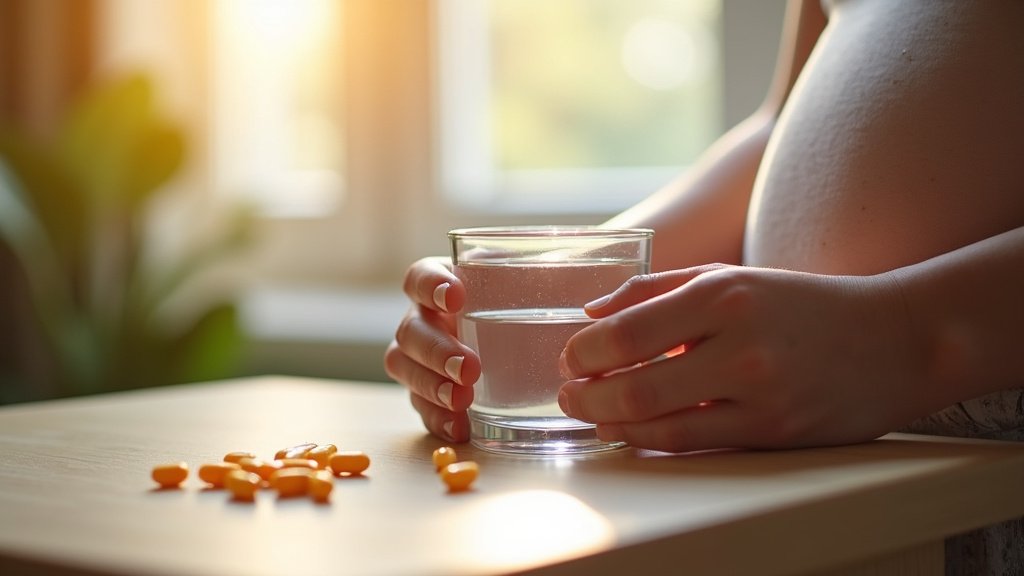
You can’t heal on crackers and coffee alone (trust me, I tried). Your body needs serious fuel right now—it’s rebuilding tissue, producing milk if you’re breastfeeding, and running on fumes.
You don’t need a perfect meal plan. You need easy, nutrient-dense foods you can grab with one hand while holding a baby with the other.
Focus on these recovery superstars:
- Protein at every meal. Eggs, Greek yogurt, rotisserie chicken, protein shakes. Aim for 80-100g daily—it rebuilds tissue faster.
- Iron-rich foods. You lost blood during delivery. Red meat, dark leafy greens, and fortified cereals help replenish it.
- Hydration like your life depends on it. Especially if breastfeeding. Keep a giant water bottle within arm’s reach always.
- Healthy fats. Avocado, nuts, salmon. They reduce inflammation and support hormone regulation.
Prep-free option? Ask visitors to bring freezer meals instead of flowers. Future you will weep with gratitude.
But even with great nutrition, there’s one thing that catches most moms off guard—and it’s coming up next.
Movement: The Goldilocks Approach to Postpartum Activity
Too much movement too soon? You’ll set yourself back. Too little? You’ll feel stiff, weak, and more exhausted. You need the just-right amount.
Forget what you see on Instagram. Those moms posting gym selfies at two weeks postpartum either have superhero genes or aren’t telling the whole story.
What actually helps:
- Start with gentle walks. Around the house at first, then around the block. Fresh air is medicine.
- Wait for your doctor’s clearance. Usually 6 weeks for vaginal delivery, 8+ weeks for C-section before anything intense.
- Pelvic floor exercises (when ready). Kegels help, but so does seeing a pelvic floor physical therapist if you’re having issues.
- Listen to your body’s stop signals. Increased bleeding, pain, or exhaustion means dial it back.
Movement should make you feel slightly better, not wiped out for the rest of the day. That’s your guide.
Now, let’s address something nobody talks about enough but makes a huge difference in how fast you recover.
Managing Pain and Discomfort Like a Pro
Whether it’s vaginal soreness, C-section incision pain, or feeling like your entire body got hit by a truck—pain management isn’t about toughing it out. It’s about healing faster.
When you’re in less pain, you sleep better, move more easily, and recover quicker. It’s all connected.
What actually provides relief:
- Take your pain medication as prescribed. Staying ahead of pain is easier than catching up to it.
- Ice packs for the first 24 hours. After that, warmth often feels better (but check with your provider).
- Peri bottle = best friend. Warm water after using the bathroom is gentler than toilet paper.
- Stool softeners are non-negotiable. That first postpartum poop is scary enough without constipation.
- Support your incision when moving. C-section mamas, hold a pillow against your belly when you cough or laugh.
Don’t be a hero. Managing pain isn’t weakness—it’s smart recovery strategy.
Speaking of smart strategies, there’s one more piece that ties everything together.
The Mental and Emotional Side of Postpartum Recovery
Your body isn’t the only thing recovering. Your brain is adjusting to massive hormone shifts, sleep deprivation, and a completely new identity. That’s a lot.
Feeling weepy, anxious, or overwhelmed in the first two weeks? That’s the “baby blues,” and it’s incredibly common. But if it lasts beyond two weeks or feels really dark, that could be postpartum depression or anxiety—and you deserve support.
What helps your mental recovery:
- Talk about how you’re really feeling. Not the Instagram version. The messy, honest truth.
- Get outside daily if possible. Sunlight and fresh air genuinely help regulate mood.
- Connect with other new moms. Even online. You need people who get it.
- Ask for help when things feel too heavy. Therapy isn’t a last resort—it’s a power move.
Your mental health is just as important as your physical recovery. Actually, they’re inseparable.
Before we wrap up, let’s pause for a reality check.

🌸 Chill Moment
Recovery isn’t linear, and some days you’ll feel like you’re going backward. That’s normal, not failure. Your body is doing something incredible even when it doesn’t feel like it.
Your one thing for today
Drink one full glass of water right now and eat something with protein—even if it’s just a handful of nuts or a cheese stick.
What to Remember About Postpartum Recovery
Speeding up postpartum recovery isn’t about hacks or shortcuts. It’s about giving your body what it actually needs: rest, good nutrition, gentle movement, proper pain management, and emotional support.
You don’t have to do everything perfectly. You just have to do a few things consistently. Pick the two or three strategies from this list that feel doable right now, and start there.
Your body grew and birthed a human. It knows how to heal—you’re just giving it the best possible conditions to do its thing.
Save this for later when you need a reminder that recovery takes time, and you’re doing better than you think. And if you’re looking for more practical postpartum support, check out our guide on postpartum self-care essentials and managing those early weeks with a newborn.
You’ve got this, mama. One day, one small step at a time.